Thinking about a loft, extension or basement? If your plans touch a shared wall, boundary or nearby foundations, the Party Wall etc. Act 1996 may apply. Getting the process right protects you legally, keeps neighbours onside, and prevents expensive delays. Here’s everything you need to know—without the jargon.
What is a party wall agreement?
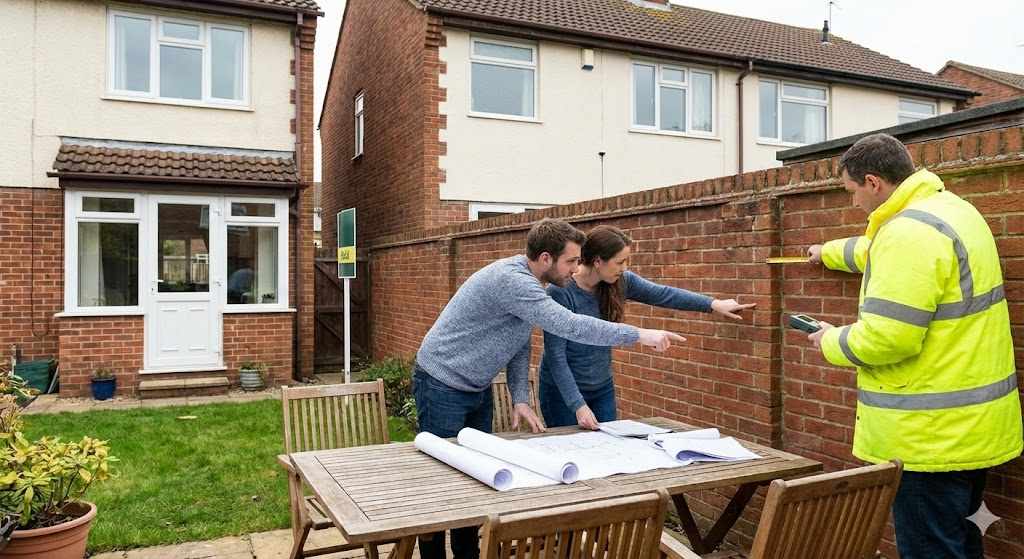
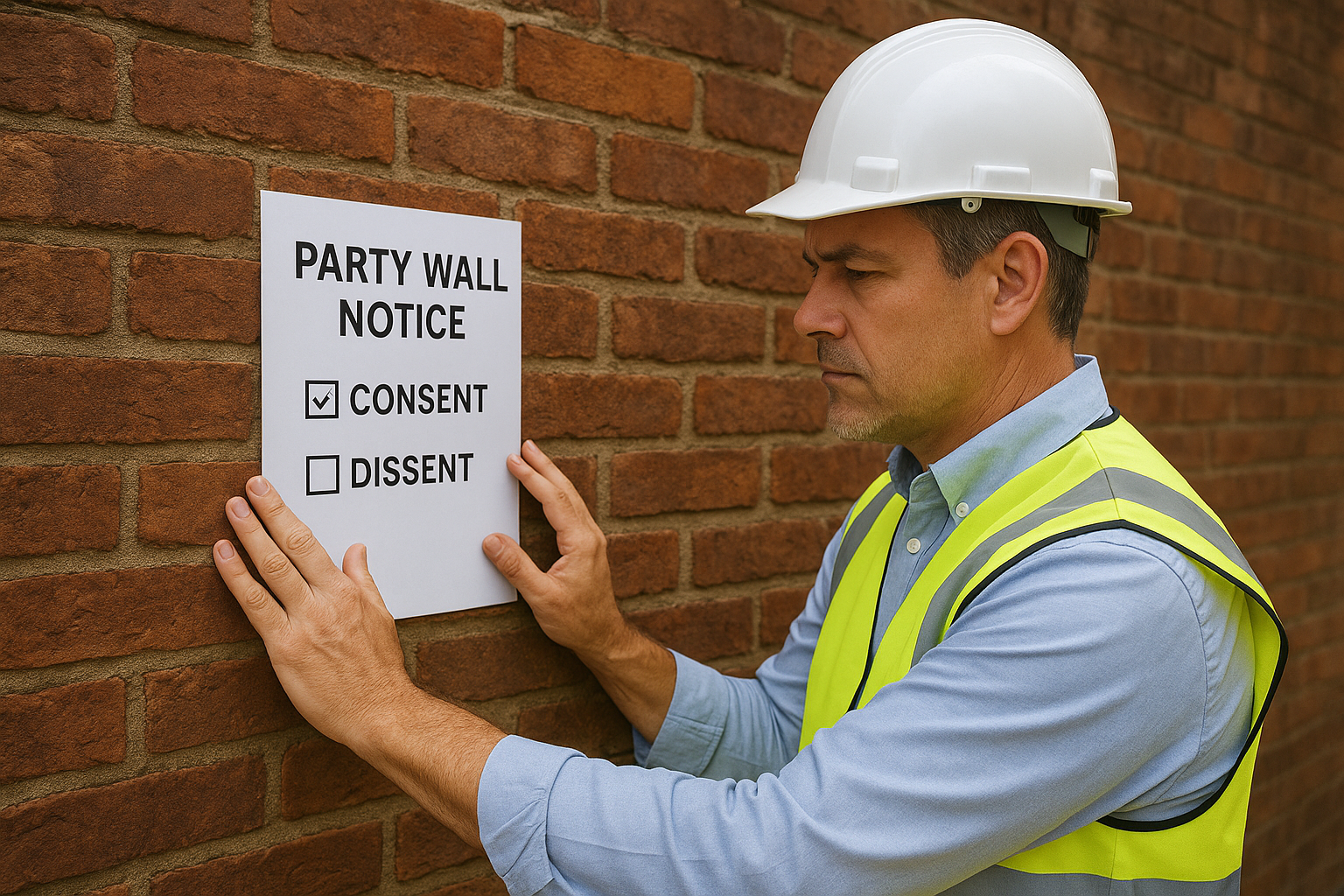
Under the Act, neighbours must be formally notified when certain works could affect a shared wall or structure (“party wall/party structure”), a wall on or astride the boundary, or foundations within 3–6 metres of a neighbouring structure. If your neighbour consents in writing, great—you have agreement. If they don’t consent or don’t reply, the Act’s dispute-resolution process kicks in and surveyors issue a Party Wall Award (a binding document that sets how the works proceed and each side’s rights).
Quick examples of notifiable work:
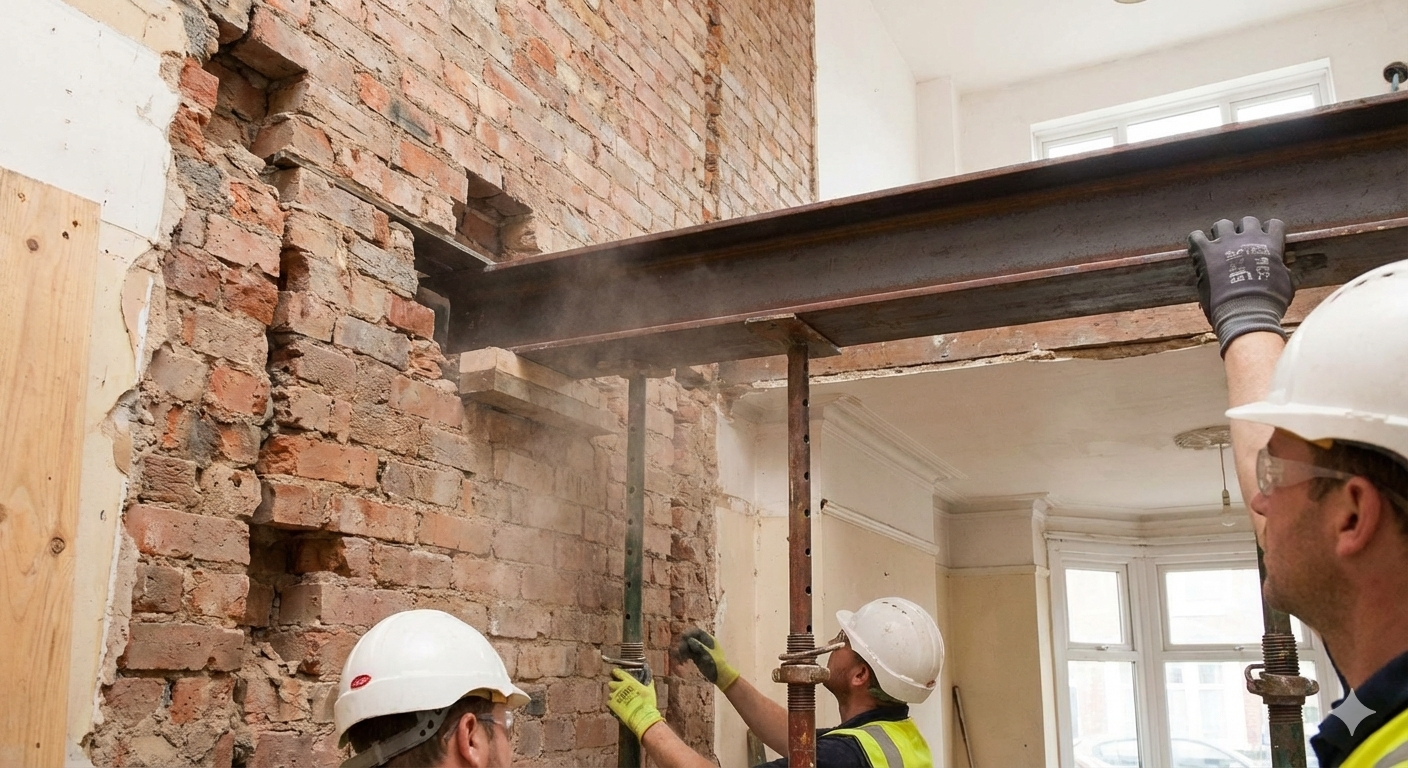
Cutting into a party wall (e.g., steels for a loft conversion)
Removing a chimney breast on a shared wall
Building a new wall up to or astride the boundary
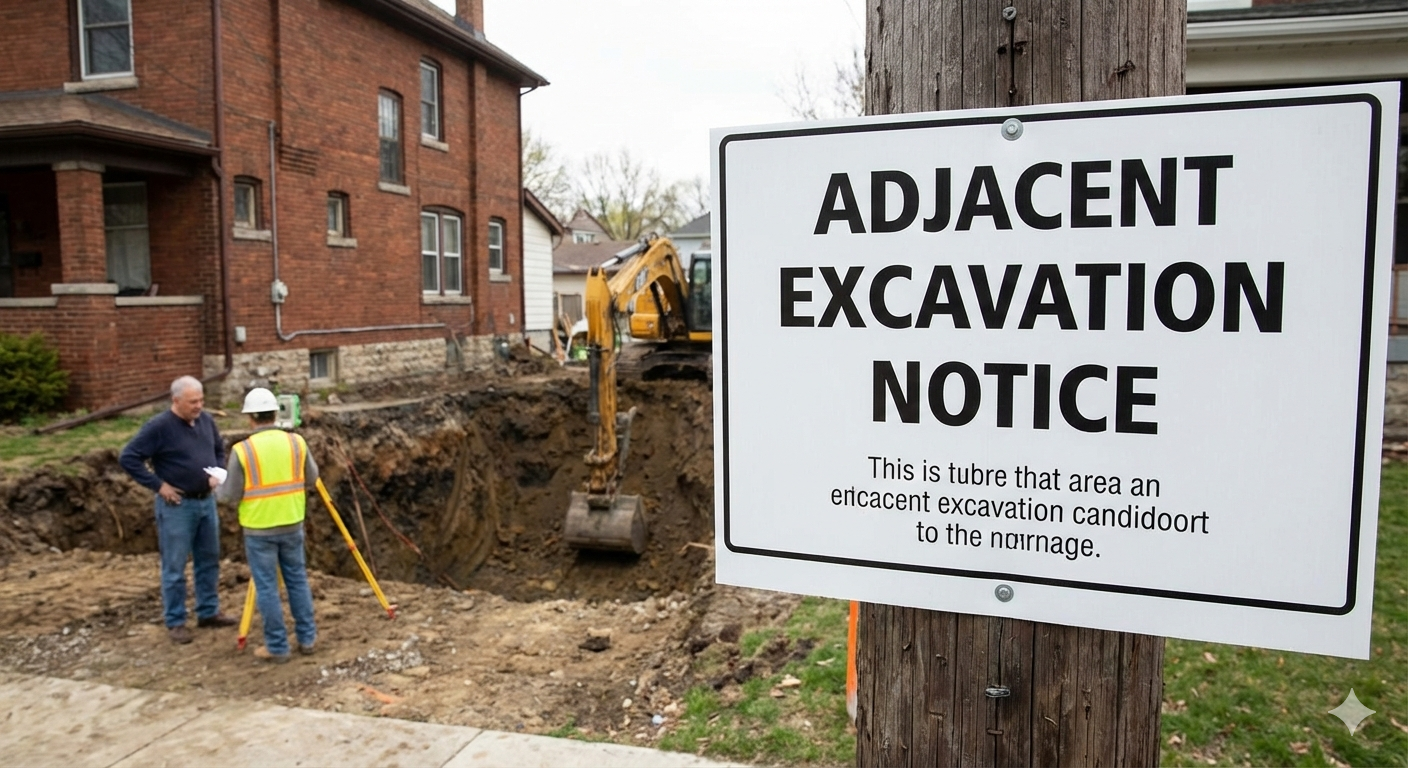
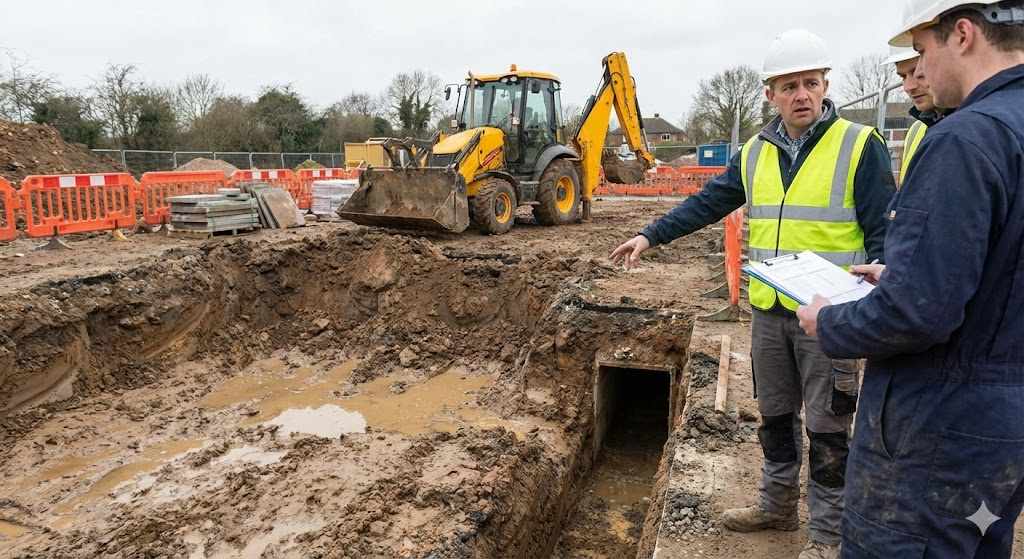
Excavating for new foundations within 3m (or within 6m where deeper works/piles are planned)
Rebuilding or raising a shared garden wall that straddles the boundary (a “party fence wall”)
Continue Reading: Party Wall Agreements Your Jargon Free Homeowner’s Guide








Write a comment ...