• Simple Survey
    Simple Survey
    • Get shareable images
    • Copy Link

    • Share on Facebook
    • Share on X
    • Share on LinkedIn
    • Share on BlueSky
    • Share on Threads
    • Share on Reddit
Simple Survey logo
    • Change photo
  • Delete photo

Simple Survey

  • 0 Followers

  • 1 Following

  • Everything You Need to Know About the Adjacent Excavation NoEverything You Need to Know About the Adjacent Excavation No

    Everything You Need to Know About the Adjacent Excavation No

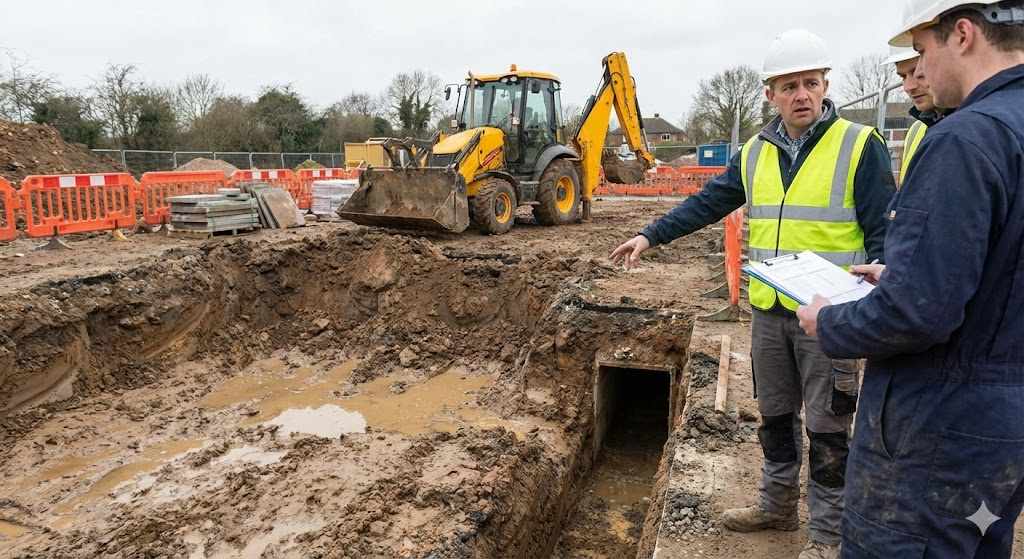
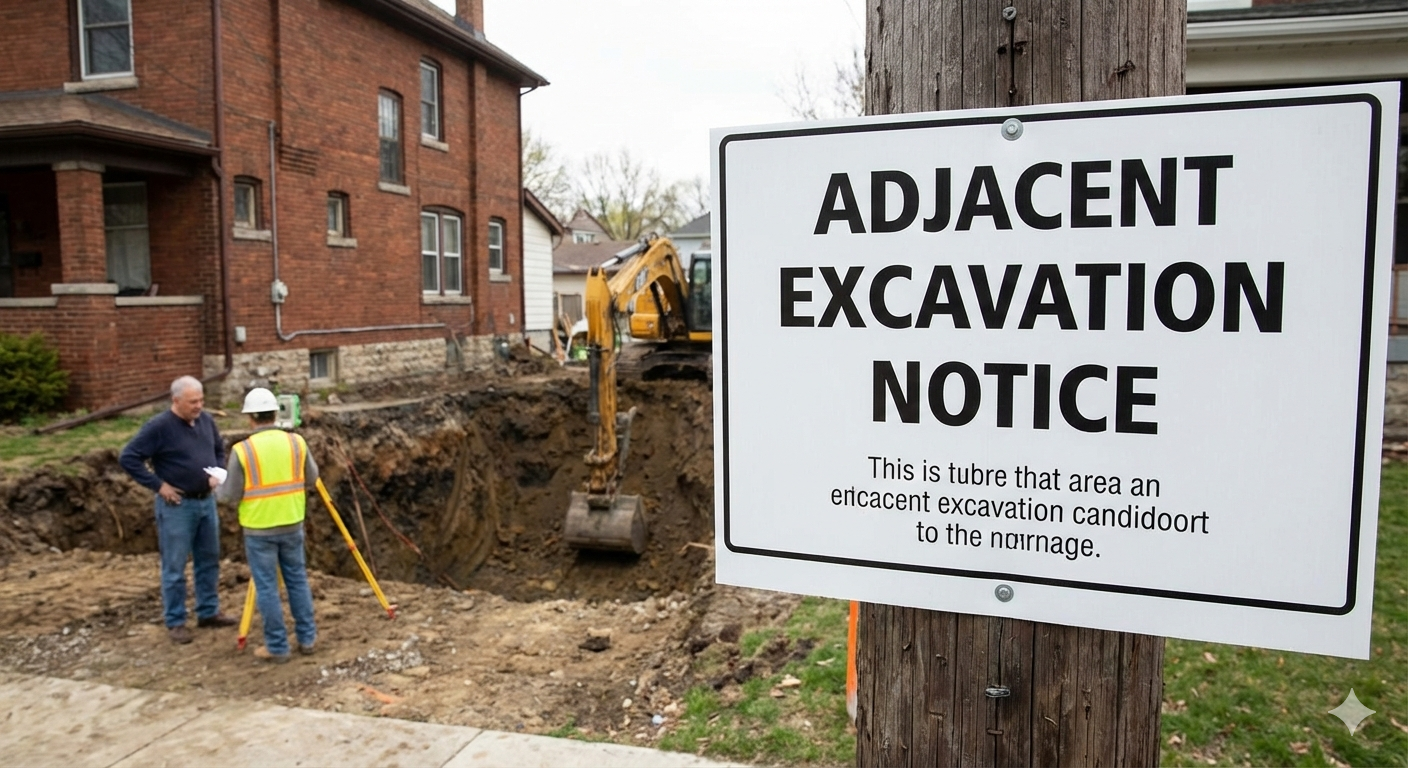
    If you’re planning to extend your property and need to excavate foundations, you may be required to serve an Adjacent Excavation Notice to your neighbour. Under Section 6 of the Party Wall Act 1996, this is a necessary step if your excavation work meets certain conditions.

    Simple Survey
    Simple Survey
  • Party Wall Requirements for Inserting a Steel Beam: What Homeowners Need to KnowParty Wall Requirements for Inserting a Steel Beam: What Homeowners Need to Know

    Party Wall Requirements for Inserting a Steel Beam: What Homeowners Need to Know

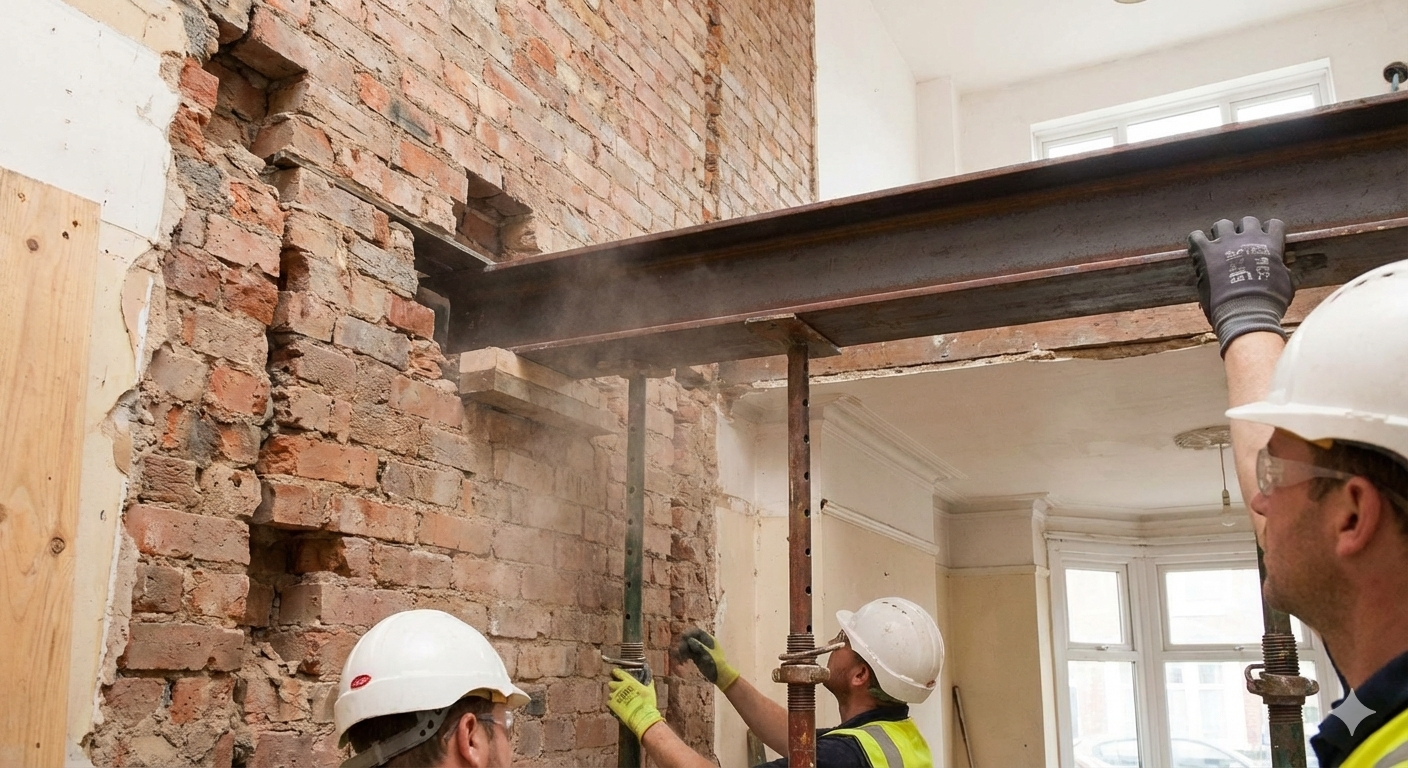
    Renovations that involve inserting a steel beam into one or more party walls — such as creating an open-plan layout or removing a wall to form a through-lounge — can be a major upgrade to your home. However, these works often fall under the Party Wall etc. Act 1996, and in many cases, you must serve a Party Structure Notice before you begin.

    Simple Survey
    Simple Survey
  • Do You Have the Right to Access Your Neighbour’s Land?Do You Have the Right to Access Your Neighbour’s Land?

    Do You Have the Right to Access Your Neighbour’s Land?

    This is one of the most common questions we receive—and for good reason. Many homeowners assume they can step onto a neighbour’s land to carry out repairs or maintenance to their own property. But the reality is more complex.

    Simple Survey
    Simple Survey
  • Understanding Party Walls: What Every Property Owner Should KnowUnderstanding Party Walls: What Every Property Owner Should Know

    Understanding Party Walls: What Every Property Owner Should Know

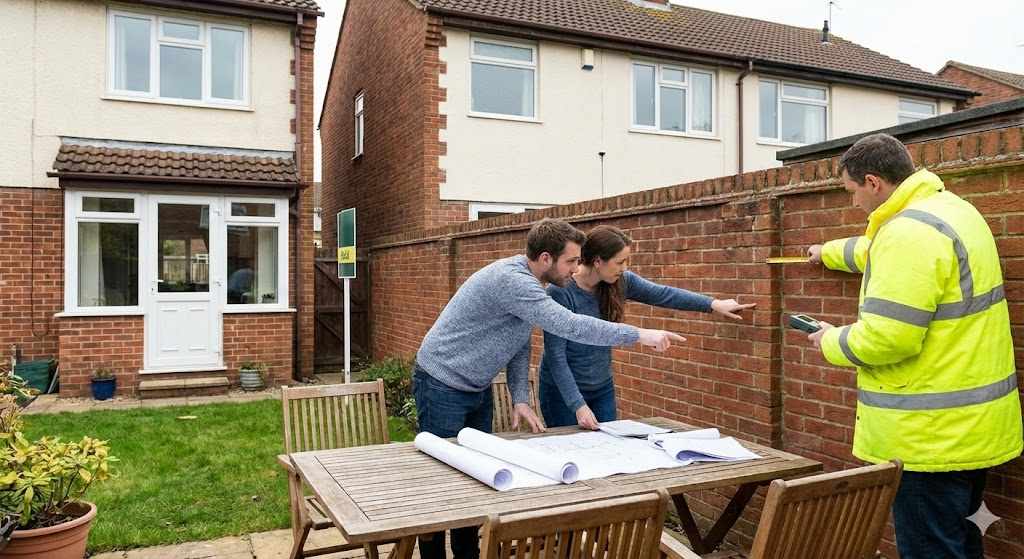
    A party wall is a shared structure—typically a wall dividing two adjoining properties such as terraced or semi-detached houses. These walls are common in densely built areas and are jointly owned by the neighbouring property owners. They provide structural support and separation, while legally allowing shared use.

    Simple Survey
    Simple Survey
  • What Is a Party Fence Wall? Clearing the ConfusionWhat Is a Party Fence Wall? Clearing the Confusion

    What Is a Party Fence Wall? Clearing the Confusion

    The Party Wall etc. Act 1996 introduces a specific legal term that often causes confusion: the Party Fence Wall. While it may sound straightforward, it’s frequently misunderstood—especially when mixed up with garden fences or boundary disputes.

    Simple Survey
    Simple Survey
  • Party Wall Award Surveyor: When an Agreed Surveyor Can Be UsedParty Wall Award Surveyor: When an Agreed Surveyor Can Be Used

    Party Wall Award Surveyor: When an Agreed Surveyor Can Be Used

    When you’re dealing with party wall issues, things can quickly become complicated. The Party Wall Act is clear about who needs to do what, especially in the event of a dispute. If an adjoining owner dissents to the party wall notice, the building owner must appoint a surveyor to represent them. While technically anyone can take on the role of a surveyor, it’s crucial to choose someone who is professional, impartial, and has a solid understanding of construction, party wall procedures, and the necessary qualifications.

    Simple Survey
    Simple Survey
  • Party Wall Agreements a Party Wall Surveyor’s GuideParty Wall Agreements a Party Wall Surveyor’s Guide

    Party Wall Agreements a Party Wall Surveyor’s Guide

    If you’re planning work on a shared wall, boundary, or close to a neighbour’s property, you may need to follow the Party Wall Act 1996. This law applies in England and Wales and is designed to prevent disputes between neighbours during construction.

    Simple Survey
    Simple Survey
  • Party Wall Agreements Your Jargon Free Homeowner’s GuideParty Wall Agreements Your Jargon Free Homeowner’s Guide

    Party Wall Agreements Your Jargon Free Homeowner’s Guide

    Thinking about a loft, extension or basement? If your plans touch a shared wall, boundary or nearby foundations, the Party Wall etc. Act 1996 may apply. Getting the process right protects you legally, keeps neighbours onside, and prevents expensive delays. Here’s everything you need to know—without the jargon.

    Simple Survey
    Simple Survey
  • Removing the “Dispute” from Party Wall Projects — Expert GuideRemoving the “Dispute” from Party Wall Projects — Expert Guide

    Removing the “Dispute” from Party Wall Projects — Expert Guide

    The Party Wall etc. Act 1996 was designed to enable building work while protecting neighbours—not to turn every extension into a battleground. At Simple Survey, we’ve built our service around one idea: if you communicate clearly, set expectations early, and keep everyone informed, you can remove most of the “dispute” from party wall disputes.

    Simple Survey
    Simple Survey
  • I Didn’t Read the Party Wall Award — What Next?I Didn’t Read the Party Wall Award — What Next?

    I Didn’t Read the Party Wall Award — What Next?

    It happens more often than you think. A Party Wall Award lands in your inbox or through the letterbox, you’re in the middle of build chaos or day-to-day life, and it gets filed under “deal with later.” A few weeks pass… and then you realise the 14-day appeal window has expired. Here’s what that means, what you can still do, and how to avoid getting caught out again.

    Simple Survey
    Simple Survey
  • No Planning in Place, But a Party Wall Notice Has ArrivedNo Planning in Place, But a Party Wall Notice Has Arrived

    No Planning in Place, But a Party Wall Notice Has Arrived

    If you’ve just received a Party Wall Notice and your neighbour hasn’t yet secured planning permission, it’s natural to wonder whether you can (or should) ignore it. The short answer: you shouldn’t ignore it. Under the Party Wall etc. Act 1996, the party wall process runs on a separate legal track from planning and building control. That means a Building Owner does not need planning permission in hand to validly serve a Party Wall Notice—and an Adjoining Owner is still expected to respond.

    Simple Survey
    Simple Survey
  • Party Wall Damage Guidelines Lets Gets It ResolvedParty Wall Damage Guidelines Lets Gets It Resolved

    Party Wall Damage Guidelines Lets Gets It Resolved

    When building works take place next door, the Party Wall etc. Act 1996 is your safety net. If the works were properly notified (and, where required, a Party Wall Award was served), you already have a clear legal route to deal with damage—without having to plunge straight into an expensive civil dispute.

    Simple Survey
    Simple Survey
  • Party Wall Agreements in Conveyancing – What Buyers and Sellers Need to KnowParty Wall Agreements in Conveyancing – What Buyers and Sellers Need to Know

    Party Wall Agreements in Conveyancing – What Buyers and Sellers Need to Know

    Party wall paperwork isn’t just for builders—it can move, stall, or sink a sale. In England and Wales, works affected by the Party Wall etc. Act 1996 often leave a paper trail: notices, surveyor appointments, and a party wall Agreement (also called a Party Wall Award). During conveyancing, your solicitor will ask for these documents to confirm the works were lawful, neighbour rights were respected, and any ongoing obligations are understood. Missing, inconsistent, or non-compliant paperwork can trigger lender queries, renegotiations, or withdrawals. This guide explains how party wall documents show up in conveyancing, what buyers should check, how sellers should prepare, and the real risks of gaps—so your transaction stays on track.

    Simple Survey
    Simple Survey
  • Party Wall Notice: Consent vs Dissent Explained ClearlyParty Wall Notice: Consent vs Dissent Explained Clearly

    Party Wall Notice: Consent vs Dissent Explained Clearly

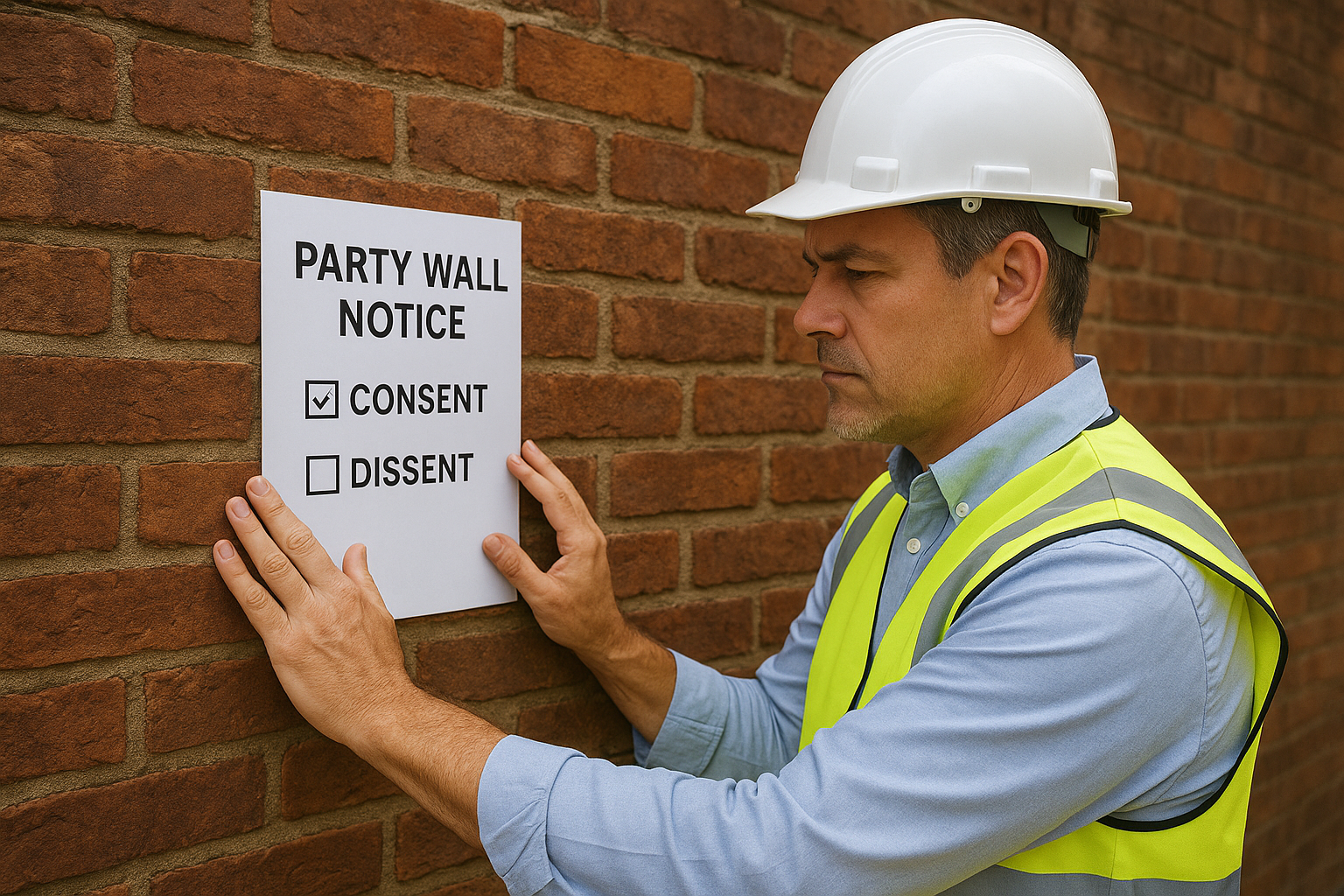
    How to choose the right response—and protect your property and programme

    Simple Survey
    Simple Survey
  • FPWS vs RICS Party Wall SurveyorFPWS vs RICS Party Wall Surveyor

    FPWS vs RICS Party Wall Surveyor

    When you’re choosing a party wall surveyor, you’ll see post-nominals like MFPWS, AssocRICS, MRICS, and FRICS.

    Simple Survey
    Simple Survey
  • How to Handle an Unresponsive Party Wall SurveyorHow to Handle an Unresponsive Party Wall Surveyor

    How to Handle an Unresponsive Party Wall Surveyor

    Most party wall jobs move briskly once notices are served and surveyors are in post. But sometimes a surveyor goes quiet—emails unanswered, dates drifting, no award in sight. The Party Wall etc. Act 1996 anticipates this and gives clear ways to get things moving again. Here’s how it works in plain English.

    Simple Survey
    Simple Survey
  • 5 Essential Steps for Party Wall Agreements Explained Clearly5 Essential Steps for Party Wall Agreements Explained Clearly

    5 Essential Steps for Party Wall Agreements Explained Clearly

    Party wall agreements are the backbone of a smooth build when you’re working near shared boundaries in England & Wales. Get them right, and your project moves forward lawfully, neighbour relations stay positive, and costly delays are avoided. Get them wrong, and you risk stoppages, disputes, and avoidable expense.

    Simple Survey
    Simple Survey
  • Adjacent Excavation and the Party Wall Act: What You Need to KnowAdjacent Excavation and the Party Wall Act: What You Need to Know

    Adjacent Excavation and the Party Wall Act: What You Need to Know

    Adjacent excavation refers to any digging activity close to a neighbouring property, most commonly for laying foundations—whether for new buildings or underpinning existing structures. It can also include excavation for drains or lowering ground levels for landscaping.

    Simple Survey
    Simple Survey
  • Party Wall Act Overview a Simple Guide For Property OwnersParty Wall Act Overview a Simple Guide For Property Owners

    Party Wall Act Overview a Simple Guide For Property Owners

    If your project could affect a shared wall, boundary line, or nearby foundations, the Party Wall etc. Act 1996 likely applies. The Act gives you a clear, lawful way to notify neighbours, manage risks, and avoid disputes—so compliant works can proceed.

    Simple Survey
    Simple Survey
  • Party Wall Agreements Your Jargon Free Homeowner’s GuideParty Wall Agreements Your Jargon Free Homeowner’s Guide

    Party Wall Agreements Your Jargon Free Homeowner’s Guide

    Thinking about a loft, extension or basement? If your plans touch a shared wall, boundary or nearby foundations, the Party Wall etc. Act 1996 may apply. Getting the process right protects you legally, keeps neighbours onside, and prevents expensive delays. Here’s everything you need to know—without the jargon.

    Simple Survey
    Simple Survey