Party wall agreements are the backbone of a smooth build when you’re working near shared boundaries in England & Wales. Get them right, and your project moves forward lawfully, neighbour relations stay positive, and costly delays are avoided. Get them wrong, and you risk stoppages, disputes, and avoidable expense.
Below is a clean, practical walkthrough of the process—from deciding whether you need to notify, through to completing the works in line with the law. No jargon. No drama.
What is a Party Wall Agreement?
Under the Party Wall etc. Act 1996, when proposed works could affect a shared wall/structure (party wall or party structure), a boundary line (new wall at/astride), or nearby foundations (adjacent excavation), you must serve a valid Party Wall Notice on every relevant neighbour.
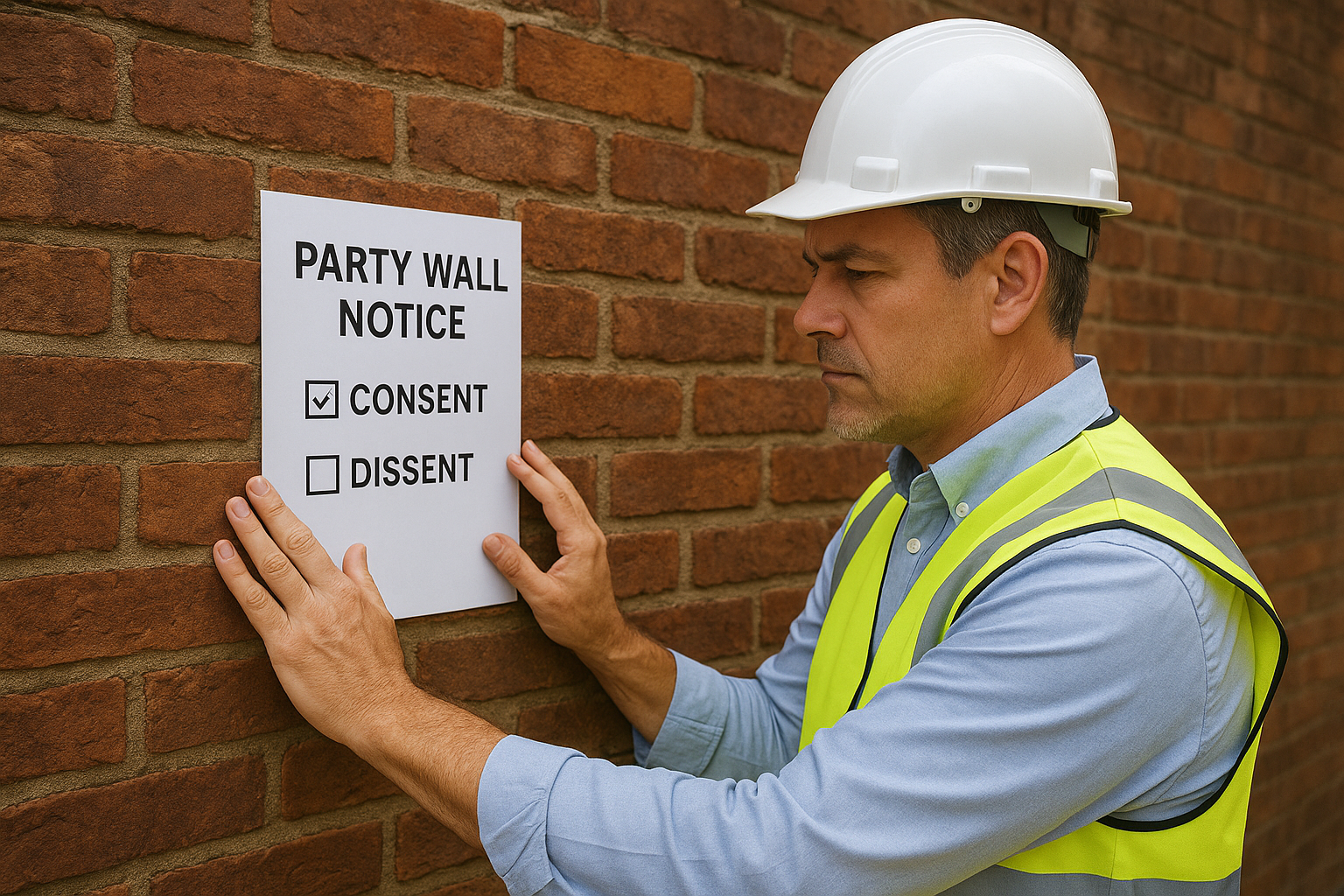
If the neighbour consents in writing, you can generally proceed after the statutory notice period. If they dissent (or don’t reply), surveyor(s) are appointed and a Party Wall Award—a legally binding document—authorises the works and sets out how they must be carried out.
Step 1: Decide if the Act applies (and which section)
Ask three simple questions:
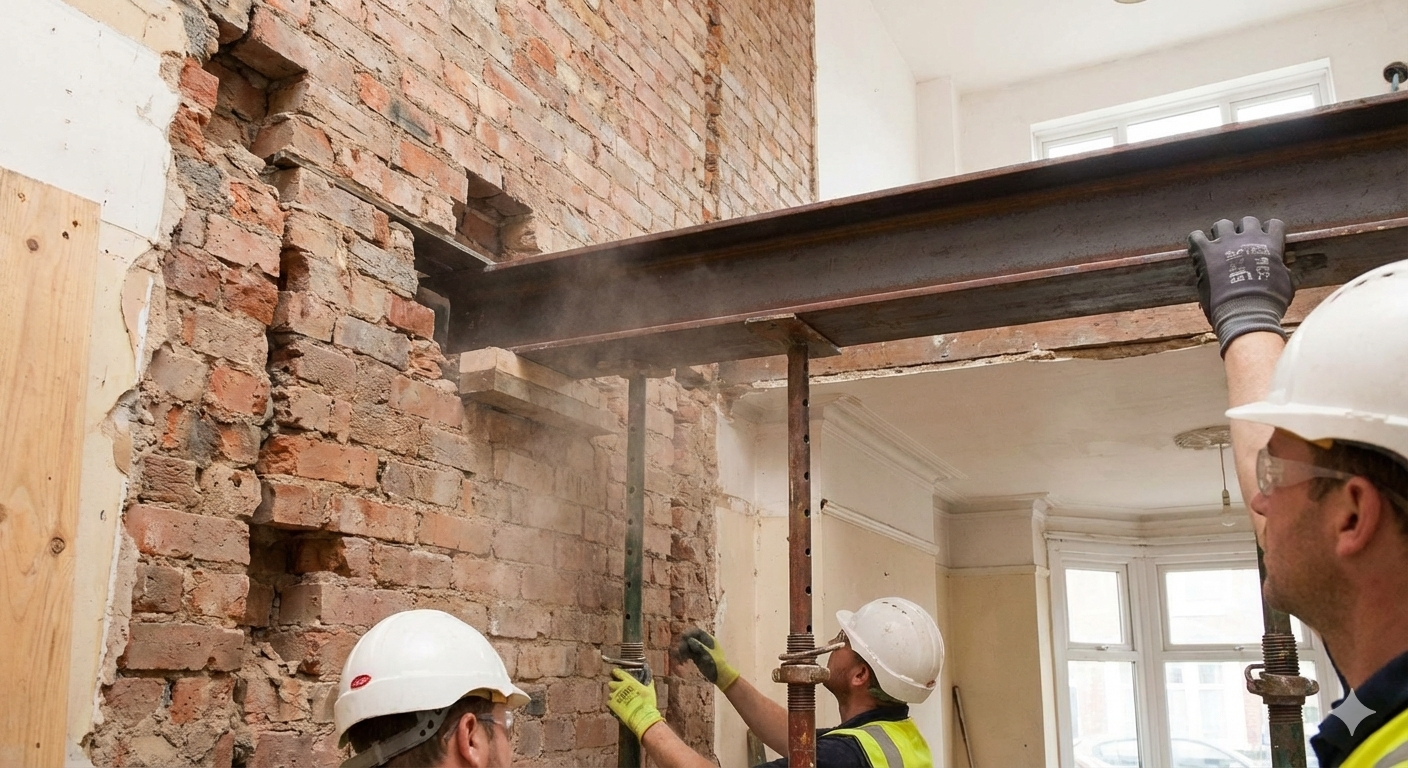
Section 2 (party structures): Are you cutting into, altering, raising, demolishing/rebuilding, or otherwise working to a shared wall/party structure?
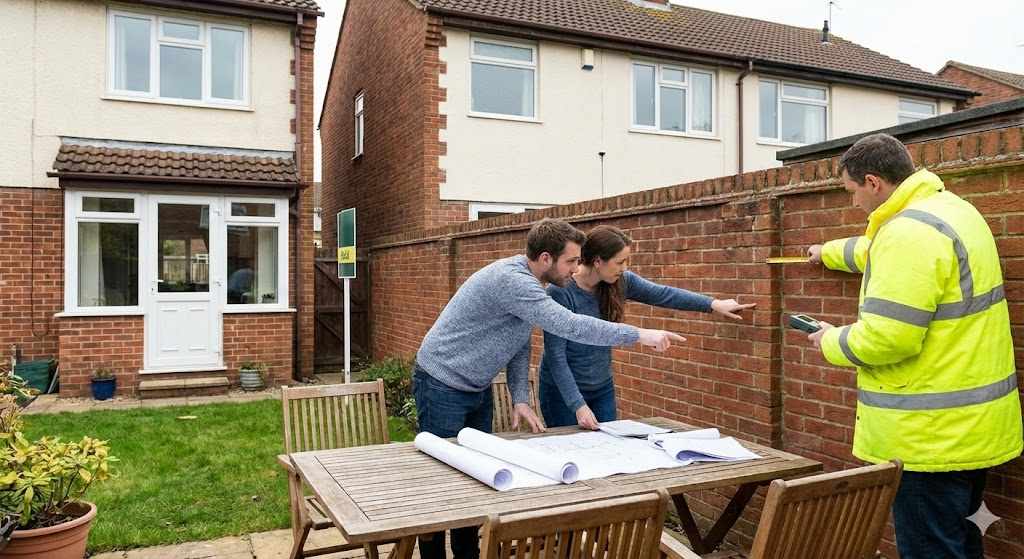
Section 1 (line of junction): Are you building a new wall up to or astride the boundary?
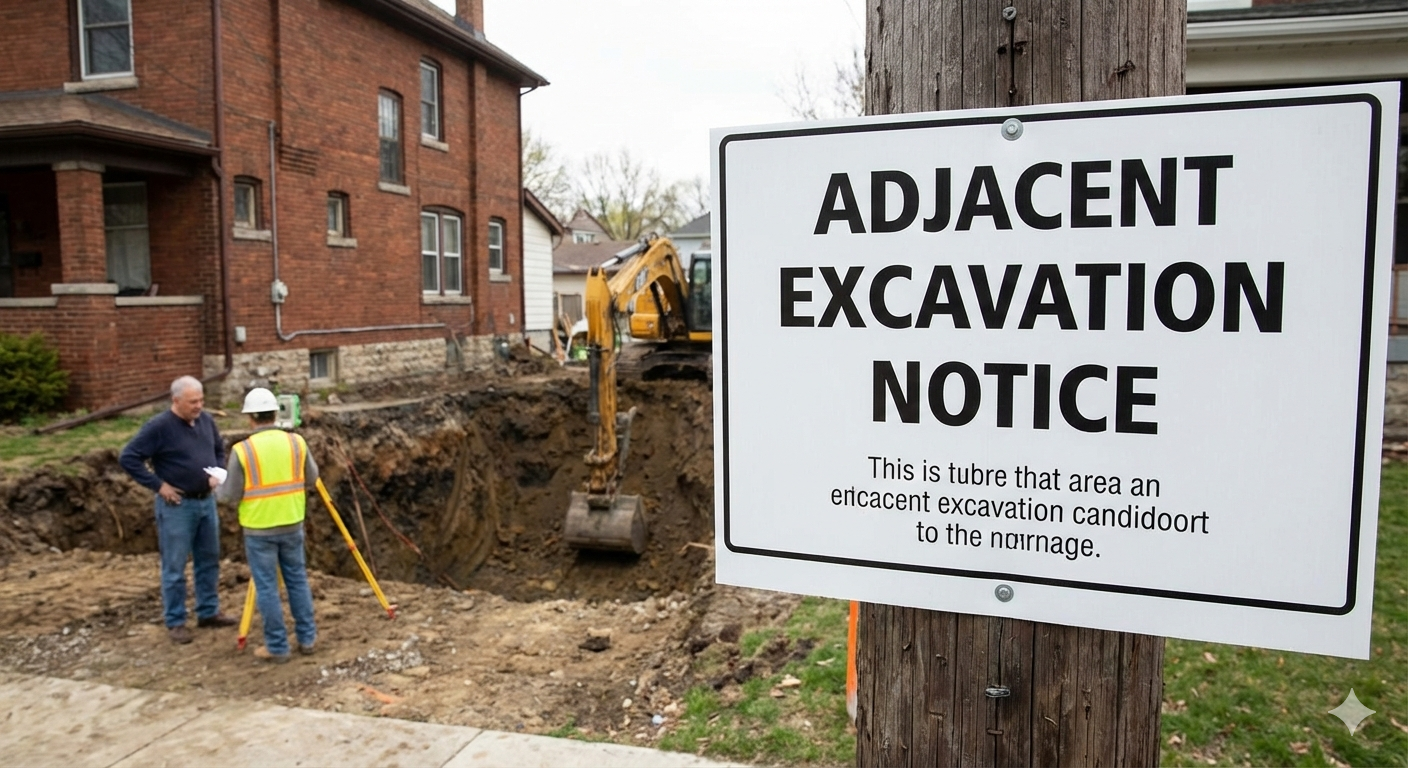
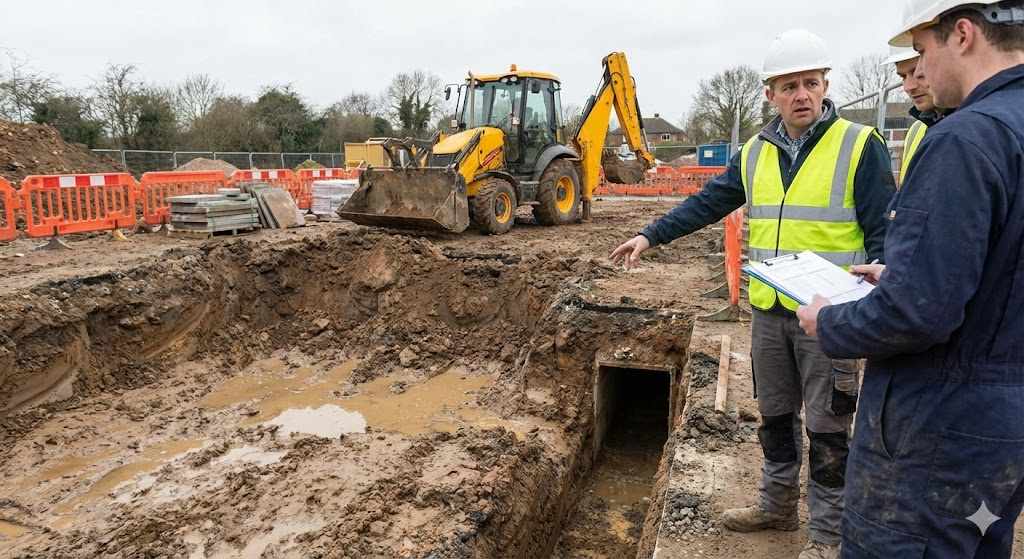
Section 6 (adjacent excavation): Are you excavating within 3m of a neighbouring structure and deeper than its foundations, or within 6m for deeper systems (e.g., piles)?
If yes to any, the Act applies and you’ll need to notify.
Tip: Map every neighbouring “owner” who may need notice—this can include freeholders and certain long leaseholders, not just the person next door.
Continue Reading: 5 Essential Steps for Party Wall Agreements Explained Clearly









Write a comment ...