
Party wall paperwork isn’t just for builders—it can move, stall, or sink a sale. In England and Wales, works affected by the Party Wall etc. Act 1996 often leave a paper trail: notices, surveyor appointments, and a party wall Agreement (also called a Party Wall Award). During conveyancing, your solicitor will ask for these documents to confirm the works were lawful, neighbour rights were respected, and any ongoing obligations are understood. Missing, inconsistent, or non-compliant paperwork can trigger lender queries, renegotiations, or withdrawals. This guide explains how party wall documents show up in conveyancing, what buyers should check, how sellers should prepare, and the real risks of gaps—so your transaction stays on track.
How Party Wall Documents Affect Sales
When past or current notifiable works exist, three document types matter:
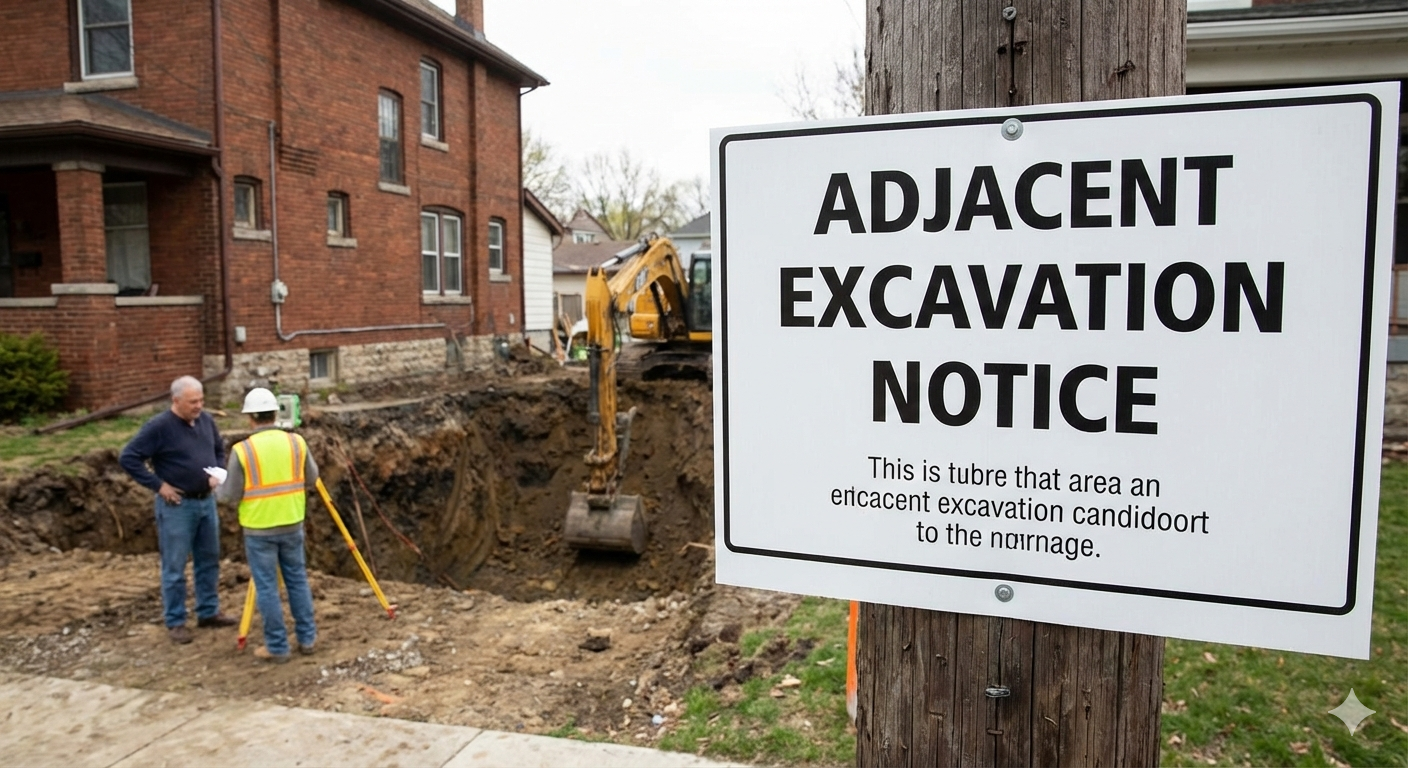
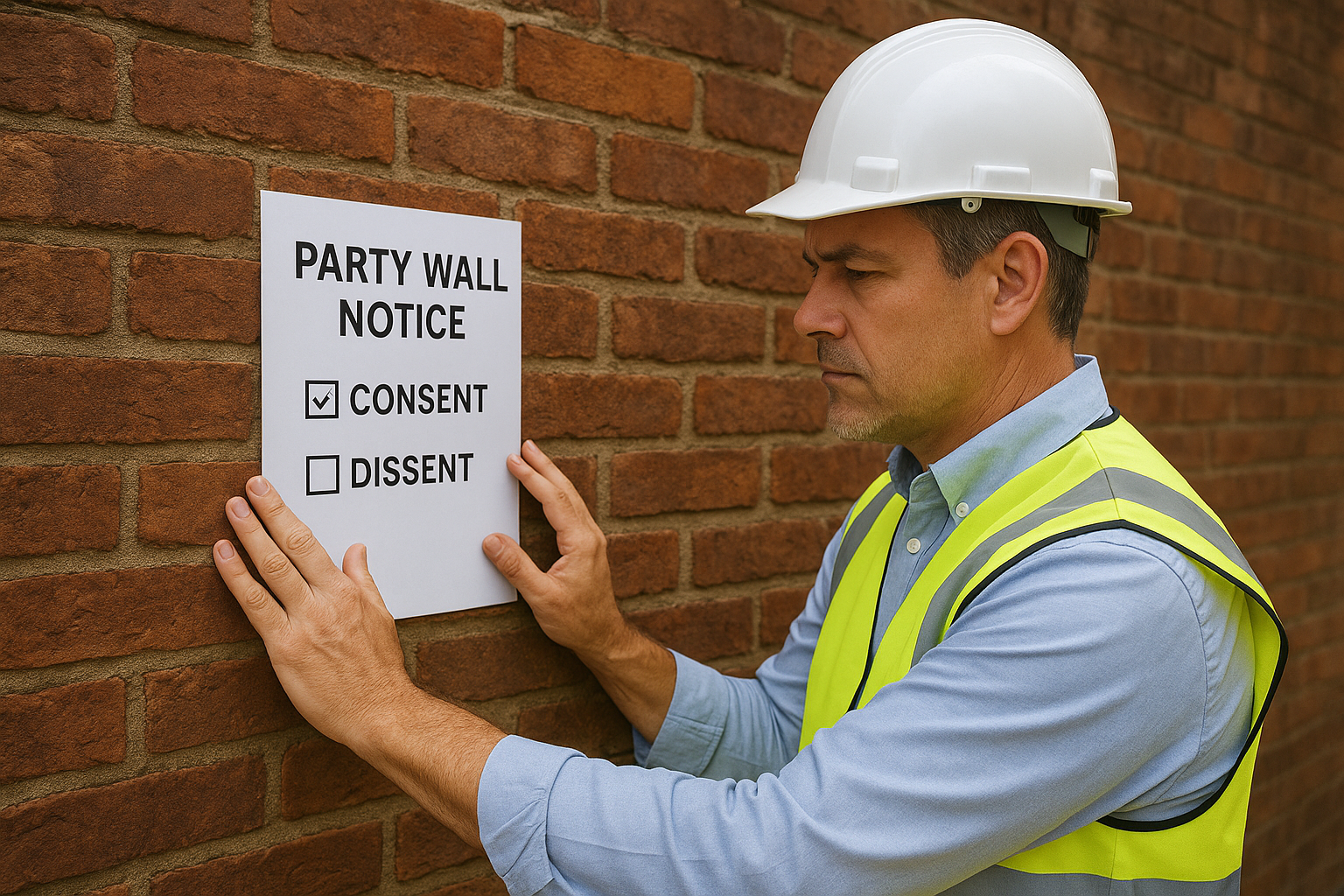
Notices (Sections 1, 2 or 6): prove the neighbour(s) were formally notified within statutory timeframes.
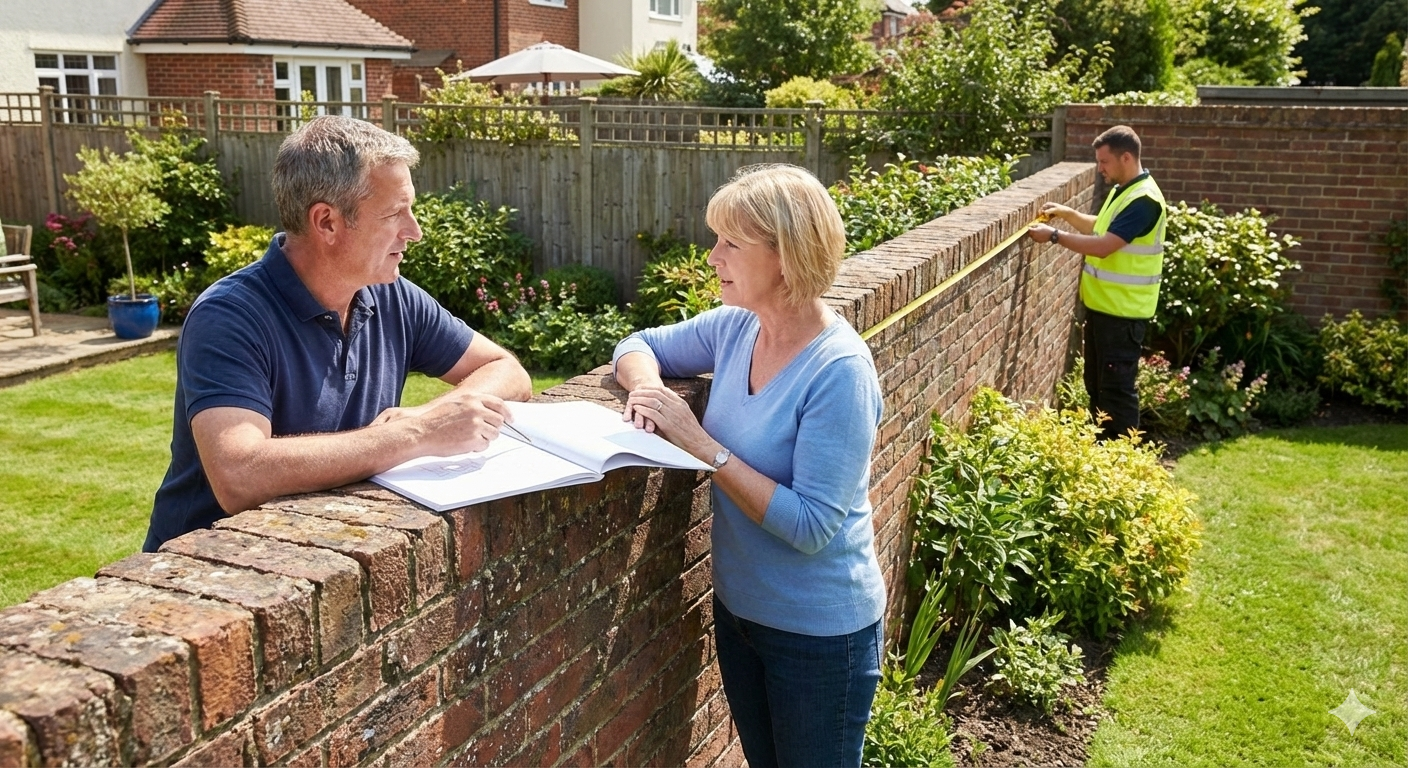
Party Wall Agreement/Award: the surveyor(s)’ legally binding determination setting out permitted works, methods, timings, access, protections, costs, and dispute routes.
In conveyancing, these appear in seller’s property information forms, title review. Lenders and buyers’ solicitors look for a clear chain: correct notices → valid appointments → signed/served award(s). Where works are recent or ongoing, they’ll also check for variations/addendum awards, third surveyor decisions (if any), and evidence that any costs or making-good obligations were settled. Clean paperwork reassures lenders, reduces requisitions, and speeds exchange.
Continue Reading: Party Wall Agreements in Conveyancing – What Buyers and Sellers Need to Know







Write a comment ...